
The Allure of Uncertainty
The thrill of risk-taking is a fundamental aspect of human nature, and casinos capitalize on this psychological trait. The environment of a casino is deliberately designed to stimulate excitement and anticipation, drawing patrons into a world where uncertainty reigns. Gamblers are often lured by the prospect of winning big, which can lead to a sense of euphoria. This anticipation of potential rewards can hijack rational decision-making processes, causing individuals to overlook the odds stacked against them. Many players also explore how canada online casinos have introduced new dynamics to traditional gambling experiences.

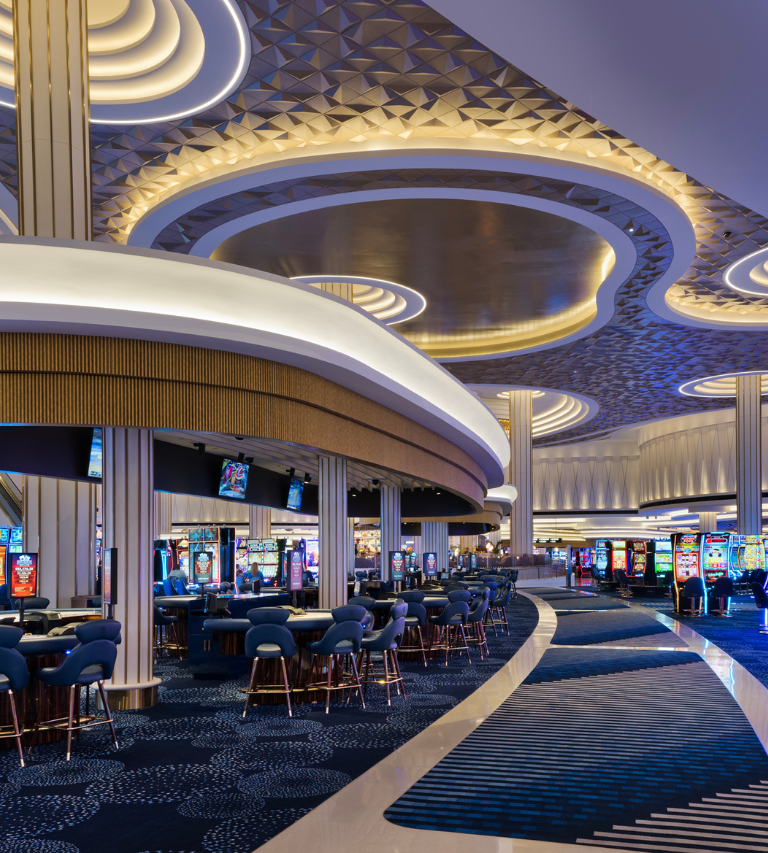
Moreover, the ambiance in casinos—bright lights, sounds of slot machines, and the buzz of excitement—creates a sensory experience that enhances the risk-taking behavior. The design encourages players to engage in high-stakes games, as the environment promotes a temporary escape from reality. This setting turns decision-making into an emotional experience, where the potential for winning overshadows the risk of losing.
The Role of Addiction and Impulse Control
Addiction plays a significant role in risk-taking behavior in casinos. The thrill of winning can trigger the release of dopamine in the brain, reinforcing the desire to gamble again. For many, this can lead to a vicious cycle of gambling where the player continuously chases losses, believing that the next round will yield a win. This psychological phenomenon, known as the “gambler’s fallacy,” can distort an individual’s perception of odds, leading them to believe that they are due for a win after a series of losses. Understanding this fallacy is essential for responsible playing strategies.
Additionally, individuals who struggle with impulse control may find themselves particularly vulnerable in a casino environment. The fast pace of games and the instant gratification they offer can exacerbate impulsive behavior. Without adequate coping strategies or awareness of their triggers, these individuals may engage in risky gambling behaviors far exceeding their financial means, showcasing a complex interplay between psychology and gambling.
The Social Dynamics of Gambling
Gambling is often a social activity, and this communal aspect can significantly influence risk-taking behaviors. People tend to feel more confident and adventurous when they are in groups, which can lead to riskier betting patterns. This social reinforcement can create a collective sense of shared excitement, leading individuals to bet larger amounts than they might typically consider when gambling alone. Group dynamics, therefore, play a crucial role in shaping individual betting behavior.
Furthermore, peer pressure in a casino setting can amplify the desire to take risks. Observing others’ wins can invoke a competitive spirit, prompting players to increase their stakes to keep up with their peers. This phenomenon highlights how social dynamics can create an environment where risk-taking behaviors are normalized and even encouraged.
The Impact of Marketing and Gamification
Casinos utilize various marketing strategies to enhance the appeal of risk-taking. Loyalty programs, bonuses, and promotional offers are designed to create a sense of value and belonging, encouraging players to return and engage in riskier behaviors. These strategies often blur the line between gaming and gambling, as players are enticed to participate in both traditional games and innovative, gamified experiences.
Moreover, the use of technology—such as mobile apps and online gambling platforms—has transformed how risk-taking is approached. Gamification elements, including rewards and levels, can de-emphasize the risks associated with gambling, making it seem more like a game than a financial decision. This can lead individuals to take risks they might otherwise avoid, highlighting the profound effects of marketing in shaping gambling behavior.
Understanding Responsible Gambling Practices
As we explore the psychology behind risk-taking in casinos, it is vital to address the importance of responsible gambling practices. Awareness and education about the risks of gambling are crucial in mitigating excessive risk-taking behaviors. Organizations and casinos can play a key role in promoting responsible gambling by providing resources and support to individuals who may be at risk.
Websites like WaterGovernance.ca focus on empowering individuals with practical knowledge and community engagement. By educating players about the psychological factors that influence their decisions, they can foster healthier approaches to gambling. Understanding one’s triggers and establishing limits are essential steps for maintaining a balanced experience in a casino setting.